

We LOVE SEED WEEK in our nature study, and I want to share some of the activities we got stuck into at home this week.
1. GROW THE EARTH
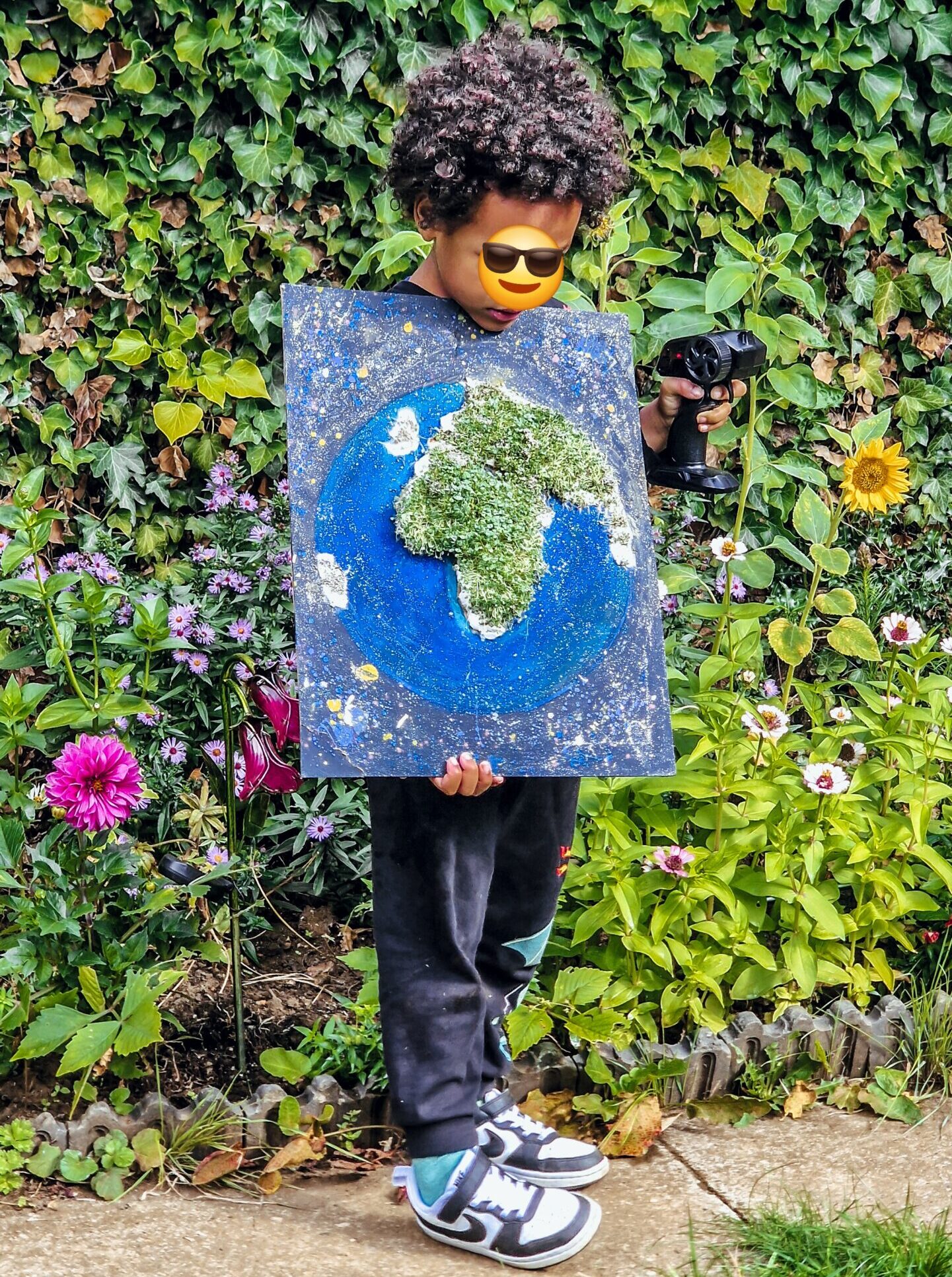
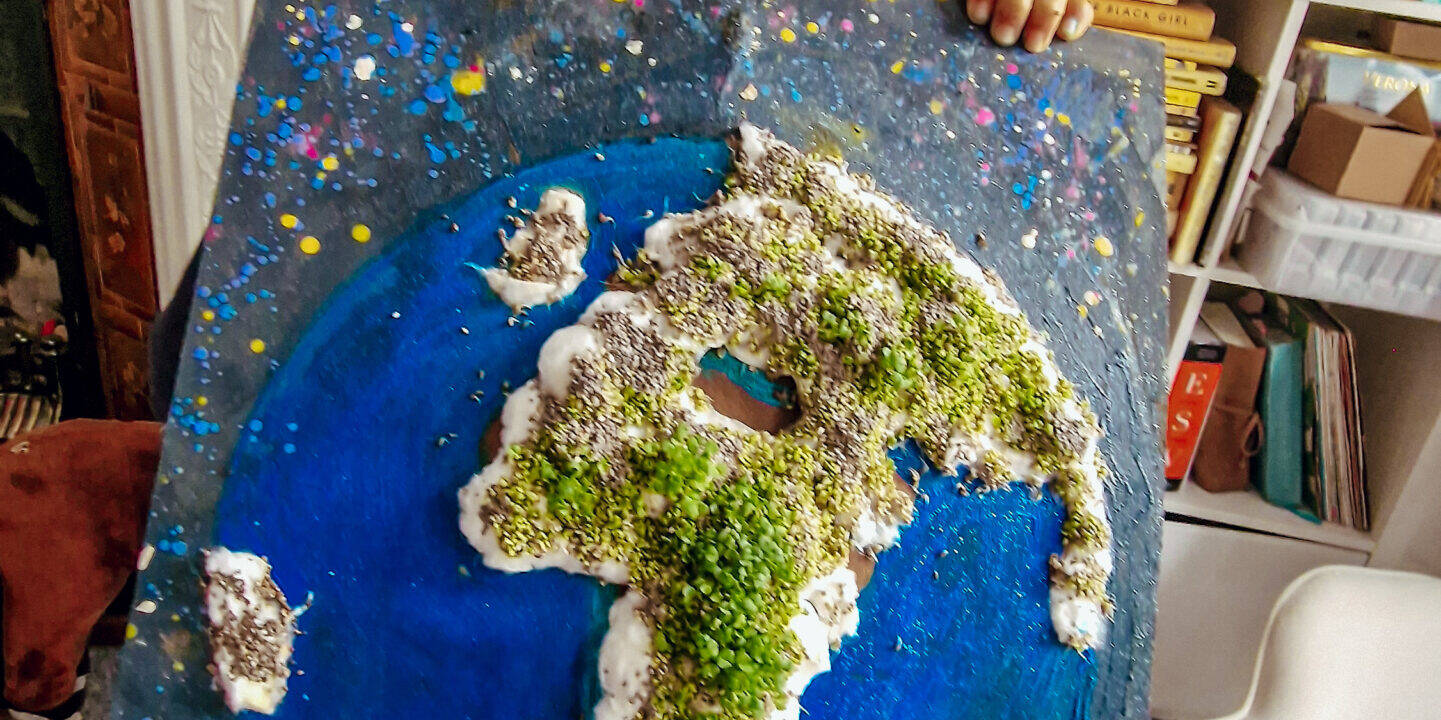
We will make a little model of the Earth using cardboard, cotton wool and seeds.
I love this activity because it involves a little bit of everything—a bit of art, with all the design, painting and cutting and a bit of geography too. We can learn all about seeds and plant parts and, most of all, while we wait for our seeds to germinate and grow, we learn about patience, consistency, care, routine, and the miracle of nature.
You can adjust this craft for all ages. Little ones might want to put land (cotton wool) anywhere on the globe, and older ones may want to draw a more realistic or to-scale version of the continents.
Side note: My 5-year-old and I popped over to a friend’s for a play date while our paint was drying, and unbeknownst to us, they were doing a similar project, except they were making a princess fairy land in a tray, and all the sprouted seeds were the woodlands, and they made little little fairy homes with tissue rolls and fairy lights. It looked so cute and fun!!! I love a flexible concept that you can adjust to suit your child’s interests.
2. BOOK BASKET
We love a good book in this house, and with a house full of so many books, I like to avoid the last minute scramble for something on topic. So I pick a few at the beginning of each week and put them in the book basket, which is easy to access. It just helps me feel a bit more prepared.
I chose 7 books for the book basket seeds week, one seed story for each day of the week. My 5-year-old reads independently throughout the day, I do read-alouds, and he has two bedtime stories with Daddy every night, so it’s pretty easy to fit a lot of books in! To see what I chose, hop on over to my Instagram
To see what I chose, hop on over to my Instagram SEED WEEK BOOK REEL
3. TOMATO INVESTIGATOR
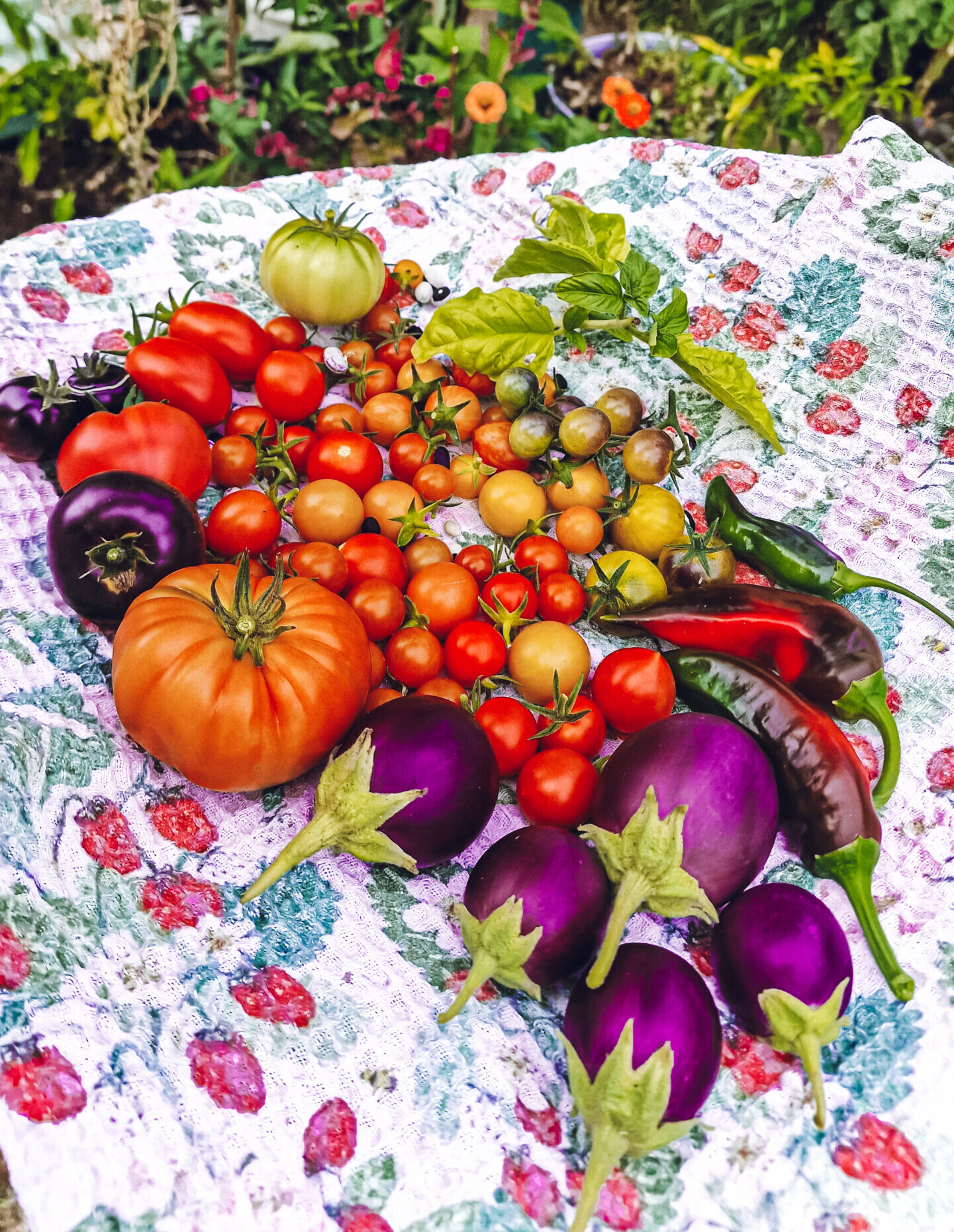
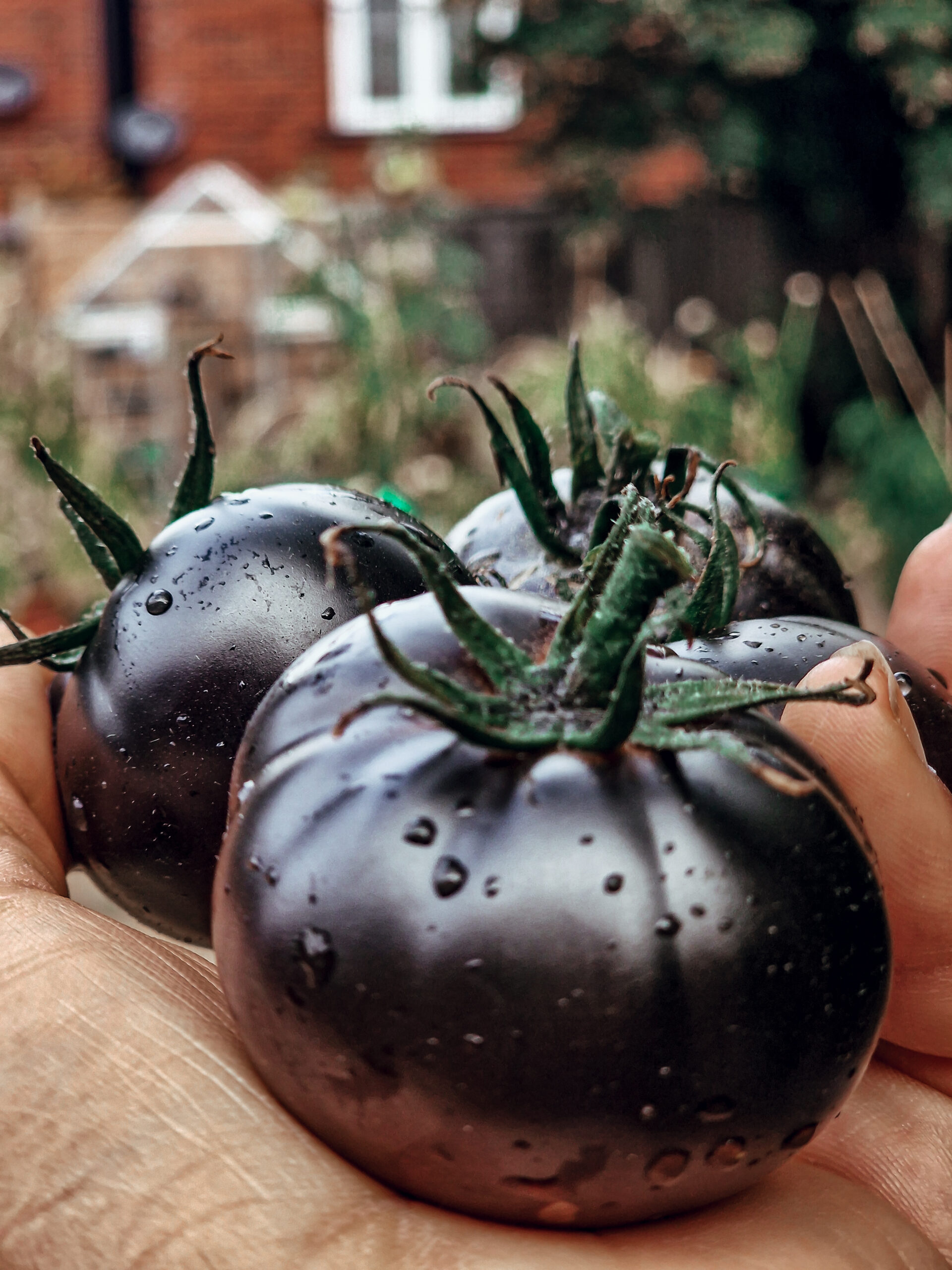
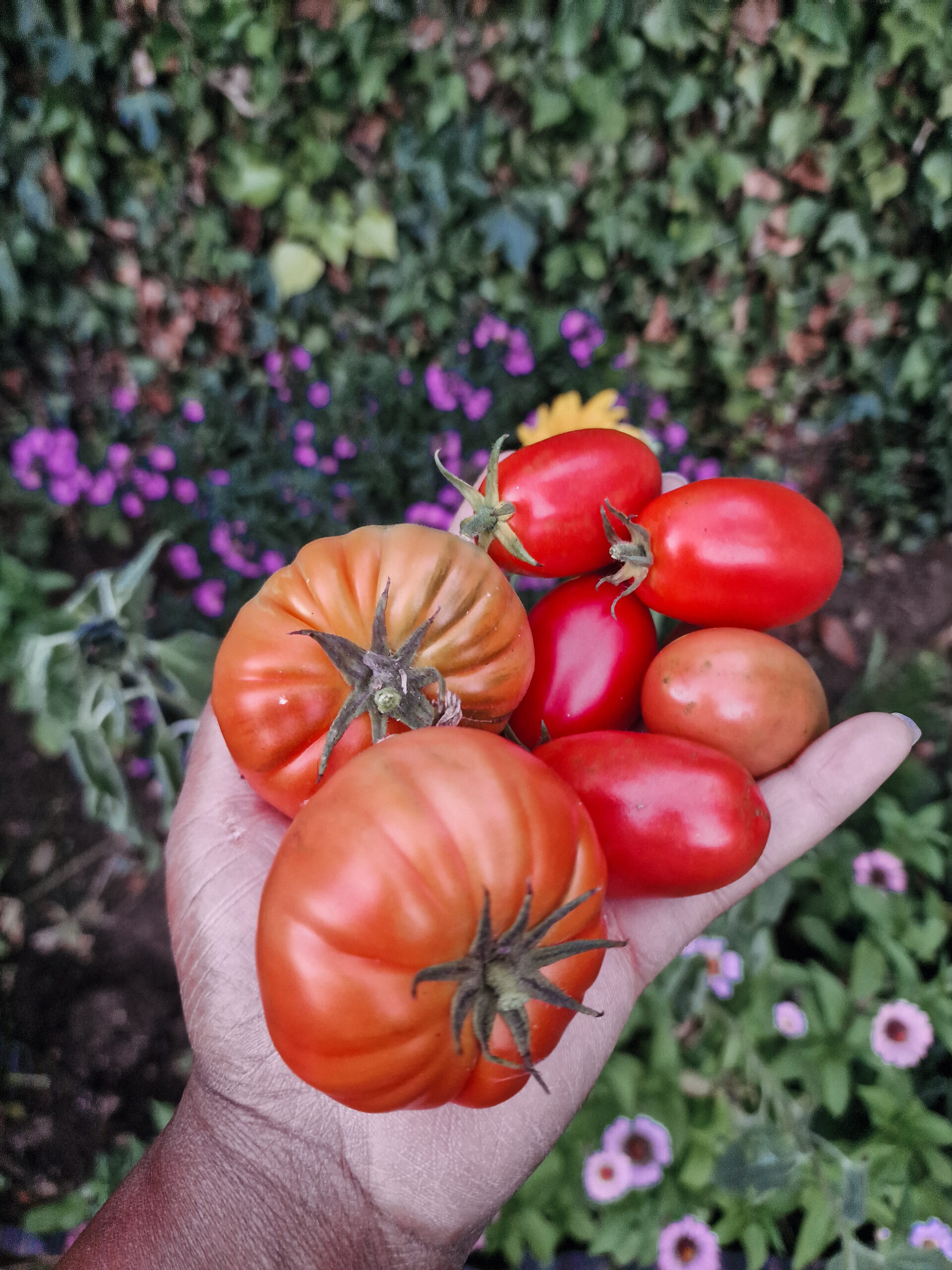
Back in spring, Mr. 5-year-old planted some Zuckertraube tomatoes for our plant week theme. This is a great time to discuss the potential of a teeny tiny seed and all the different things in the world that come from a seed. Now those tomatoes are in full bloom, and we have tomatoes for days; there are so many options:
Harvest – collecting food from your own garden is always fun.
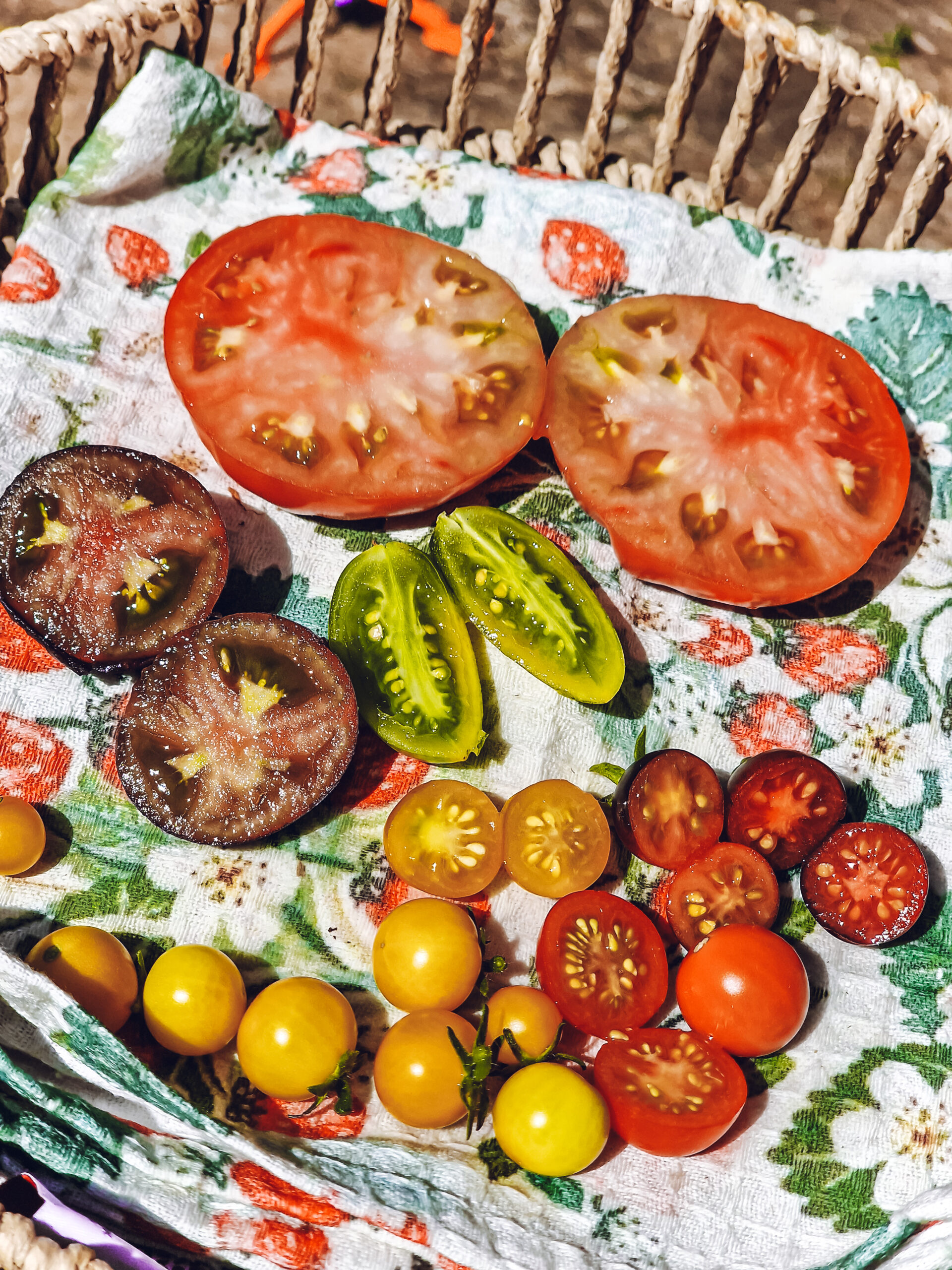
Dissect – explore the plant and fruit. Let your little one cut them up, identify the different parts inside, and count seeds for a bit of science and numeracy. The tomatoes are full of seeds, so it’s a great time to talk about how we have come full circle.
Taste & Cook – After we dissected our tomatoes, we had a fun little blind taste test. We had several different coloured tomatoes, and my little one enjoyed tasting them and guessing which one it was. You can eat them fresh, cook a nice recipe with them, or learn how to store them for winter.
Participation and Inclusion – I find children are much more open to trying new things when they grow the food themselves and/or take part in cooking it.
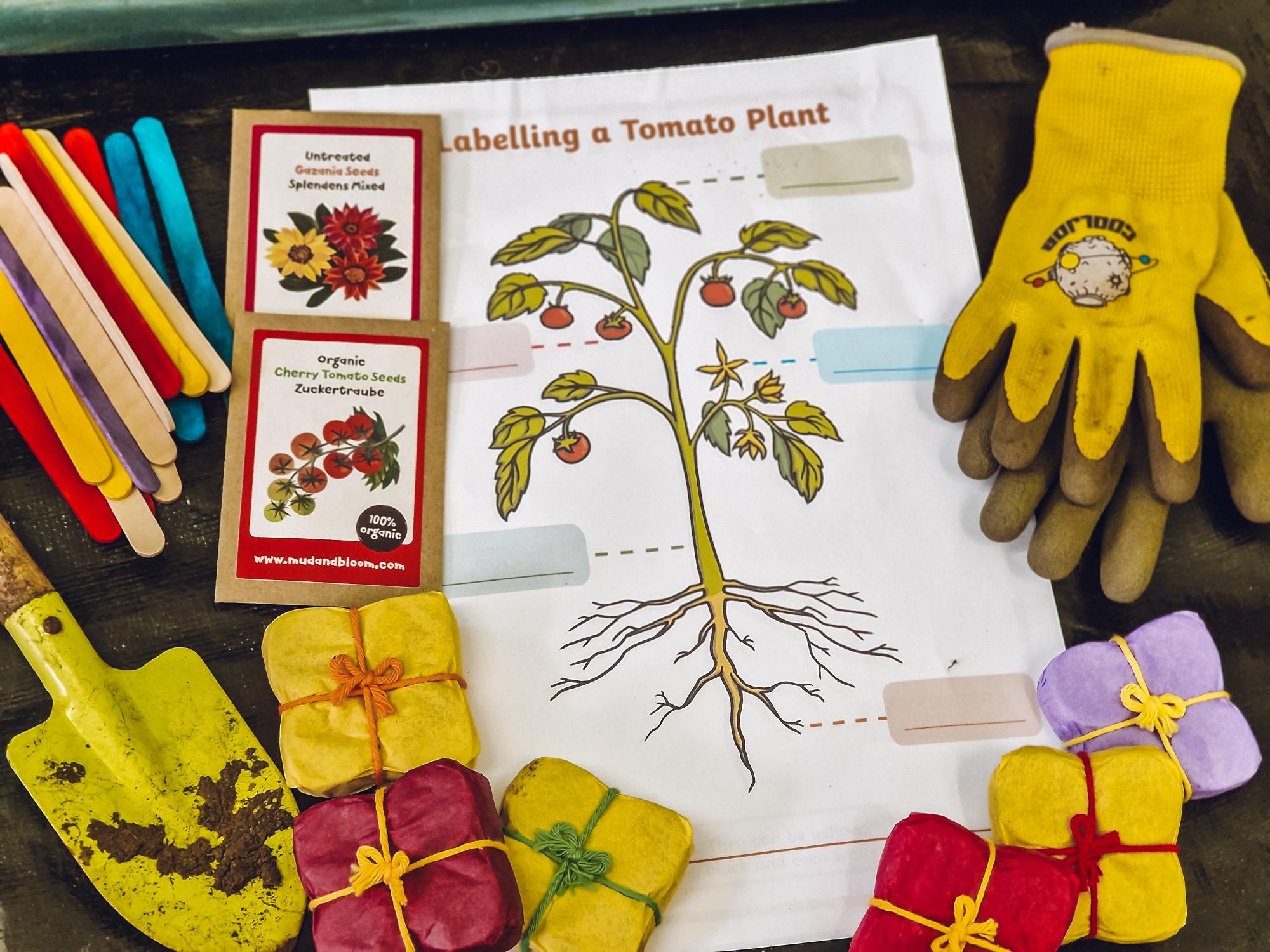
We will learn to label all the parts of a tomato plant on one of our worksheets, but getting really hands-on with the plants is so much fun.
(IF YOU WOULD LIKE A COPY OF THE TOMATO PLANT RESOURCE FROM TWINKL, CLICK ON THE 30 DAYS FREE WITH TWINKL LINK AT THE END OF THIS POST 🙂
4. NATURE WALK
There is so much to discover and enjoy on a nature walk. We usually do our nature walk in a public park, but with so many of our flowers going to seed in August and September, exploring our own garden was the perfect nature spot.
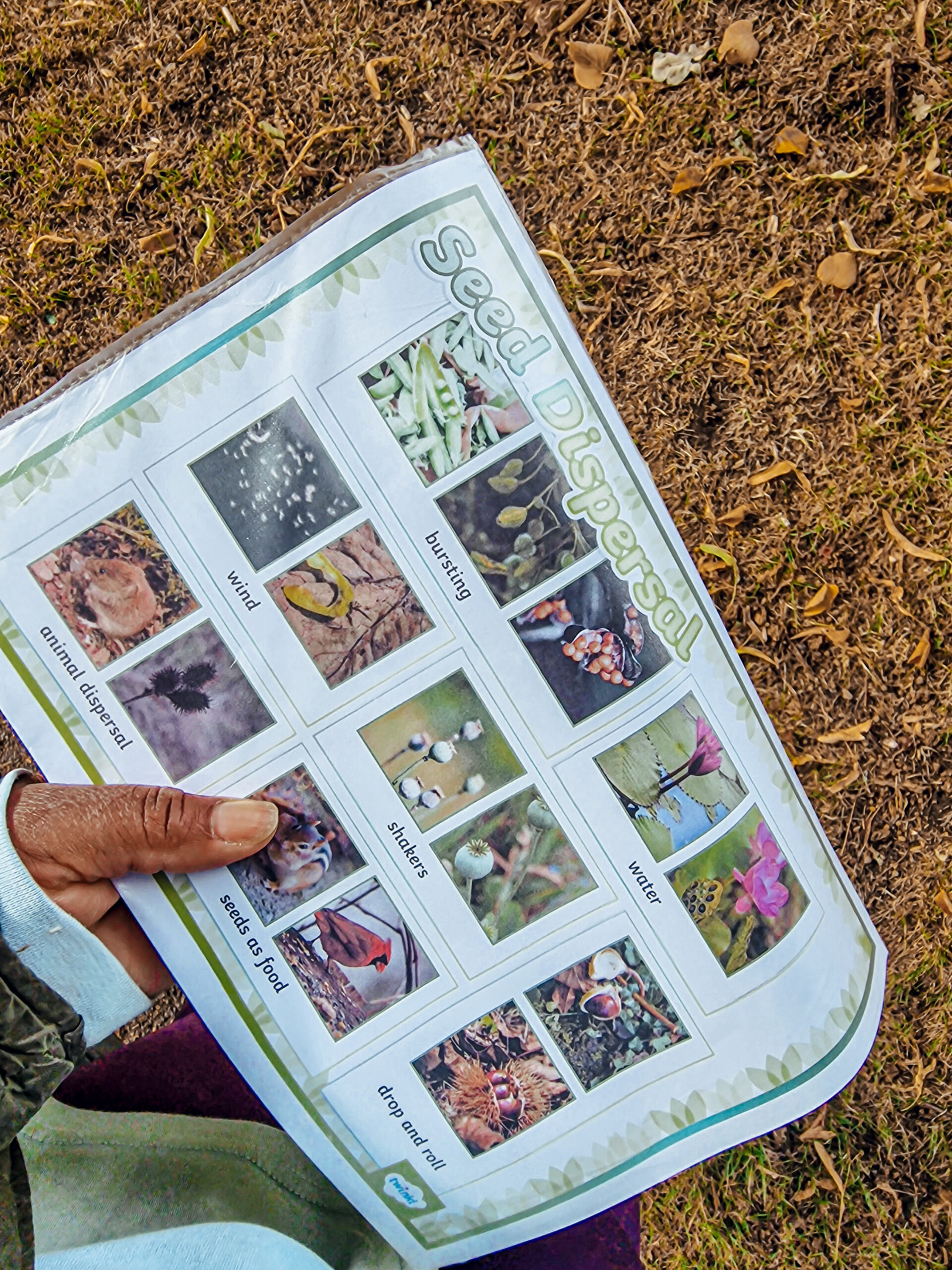
We talked about seed dispersal, and Mr 5 had a blast walking around the garden with my gardening shears, exploring and chopping off dormant flower heads.
5. SEED HARVEST & SEED COLLECTING
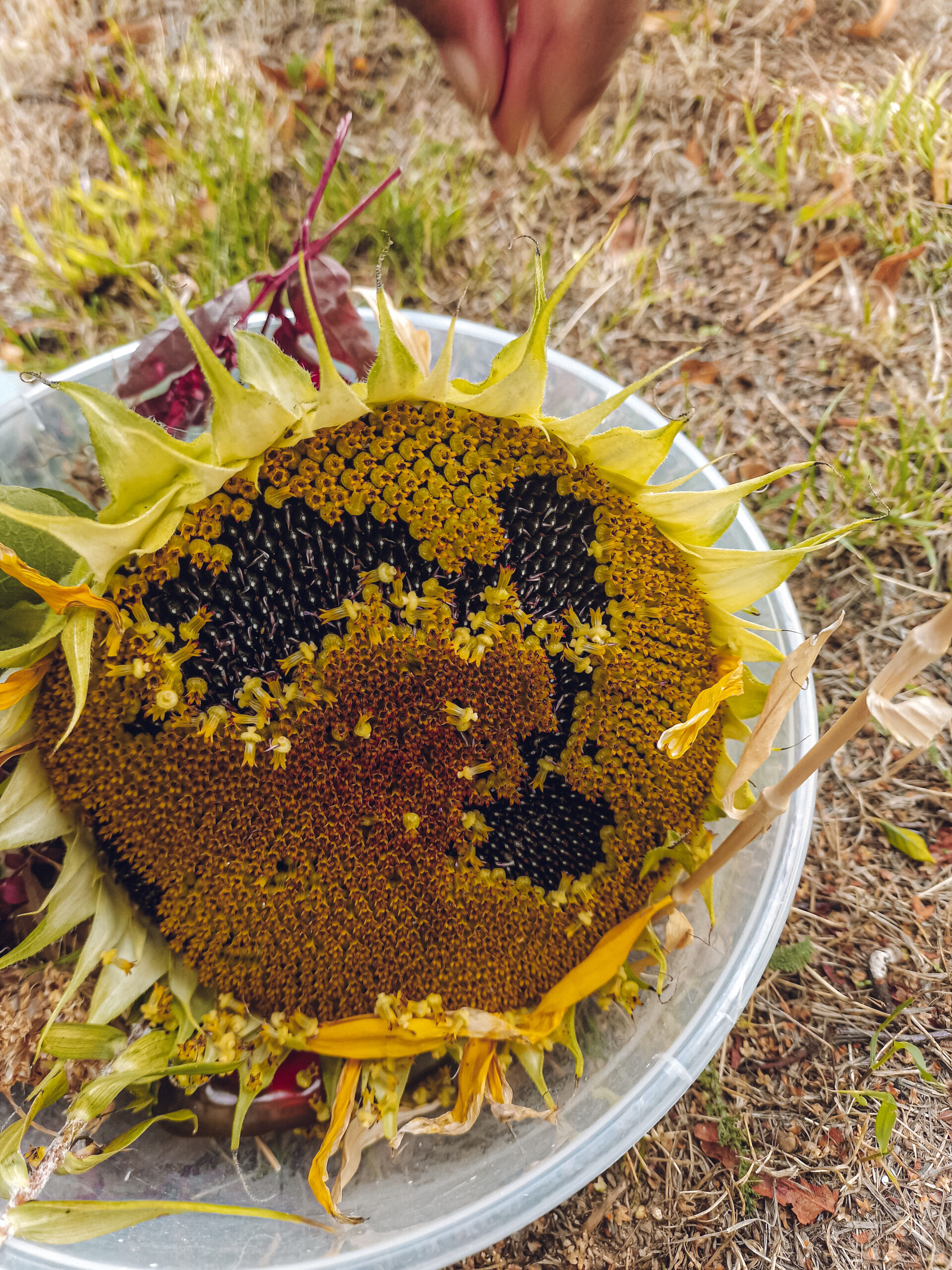
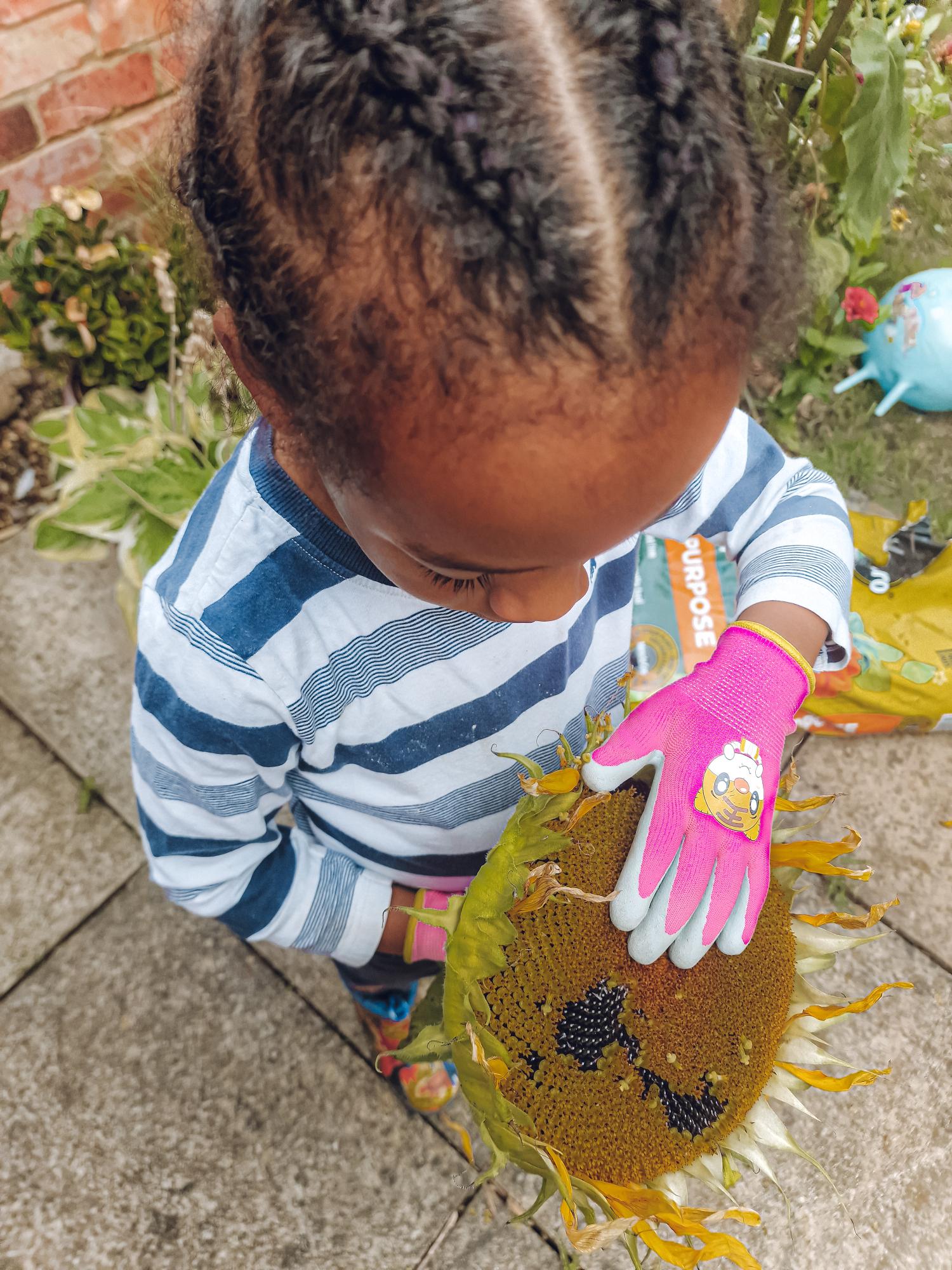
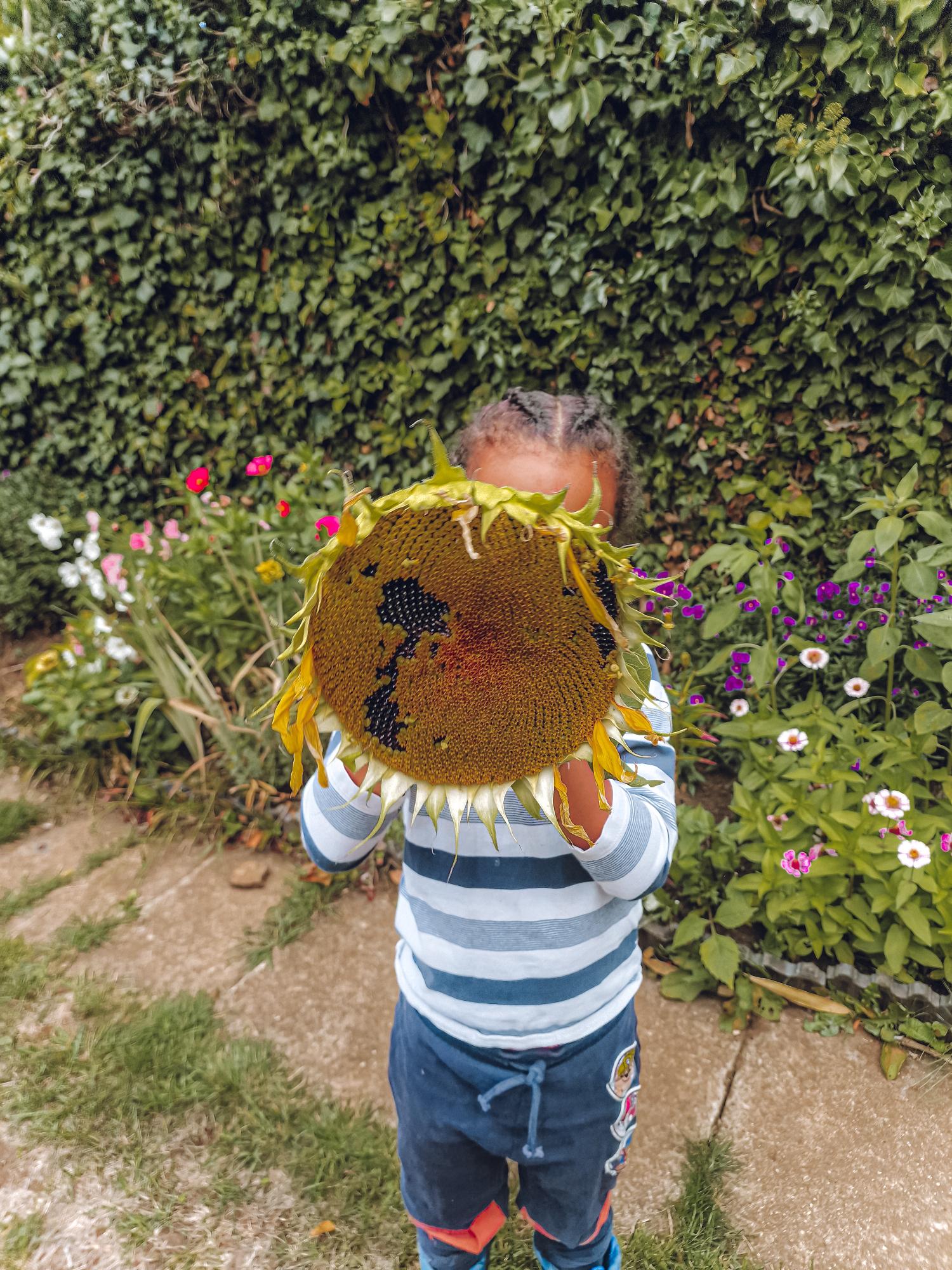
Check your local park or garden for seeds you can harvest. At our community garden, we showed the children how to find sunflower seeds in our almost 8ft sunflower. This is a good chance to chat about edible seeds, baking seeds, leaving some for the birds, storing and re-planting seeds. Even a hunt around your home for seeds is fun for little ones. They’ll be surprised at what the find in the kitchen cupboards for example.
6. SEED SHAKERS
Once we have gathered seeds, there are always so many options. Last year we did seed bombs, just rolled up the seeds in soil/mud balls and chucked them in the garden. Mr. 5 loves a muddy mess, so he really enjoyed that. This year, we are using old containers, filling them with a mix of seeds, and using them as shakers to disperse the seeds. We also grew tall poppies this year, and they make great long wand-like shakers for the kids.
7. COMMUNITY GARDEN
We are trying to create what we are going to call The Wildflower Runway in our little community garden, The Grow and Glow Veggie Patch!
Mr 5 and a couple of the other kids who attend scattered seeds everywhere, using the shakers they made, did some watering, harvested some tomatoes and peppers, and then had a good old run around! Nothing beats the sound of kids playing and laughing in the great outdoors!
CURRICULUMNS, RESOURCES WE USE & A FREEBIE
Exploring Nature with Children is one of my favourite curriculums in our Home Education Journey and I love that Twinkl has a full schedule of resources that run alongside it for each week. From video’s, crafts, diagrams, power points, stories and more.
If you don’t have Twinkl and want to try it free for 30 days, TAP HERE.Enjoy your seed study :)
Keep Growing & Glowing



[…] out some other ideas for a seed study here […]